Georgia POTA - US-2177 | Fort Yargo State Park
Fort Yargo State Park
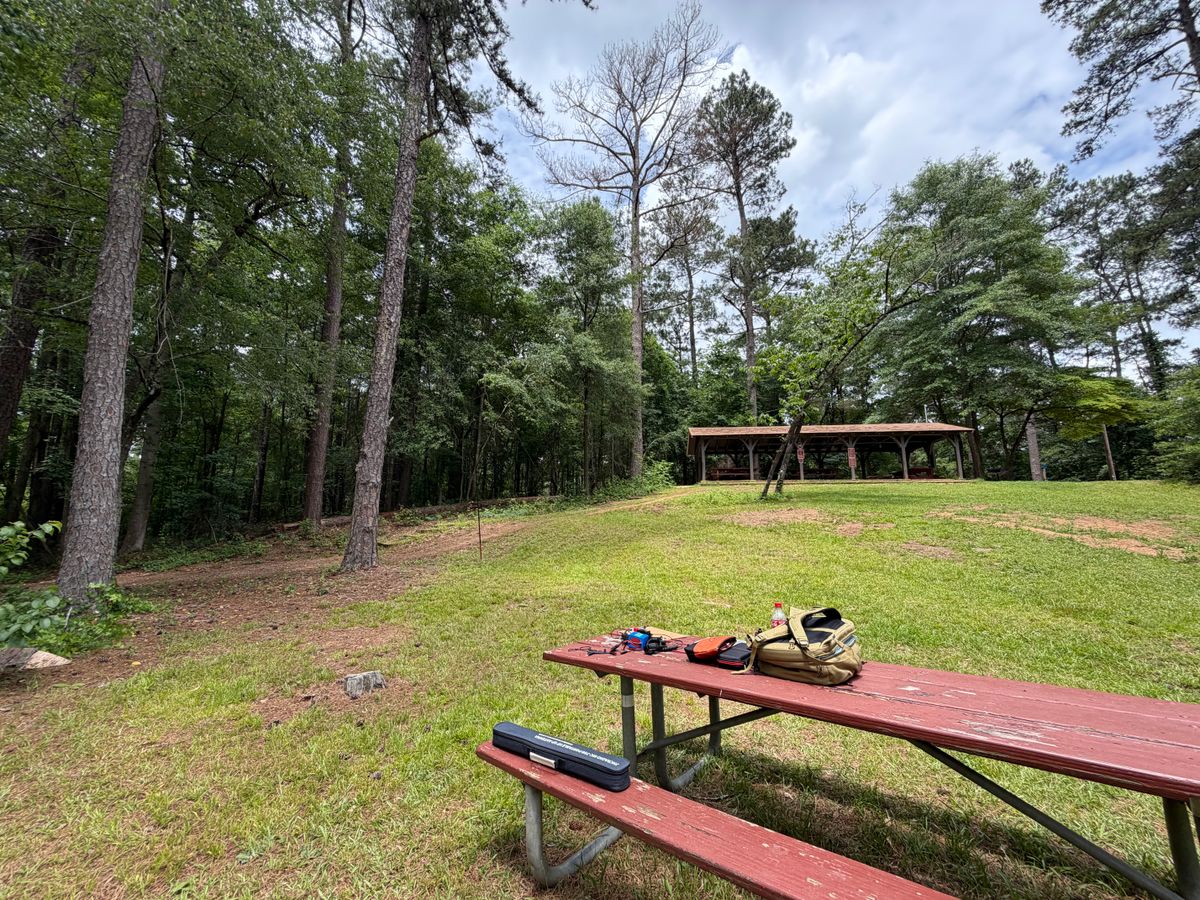
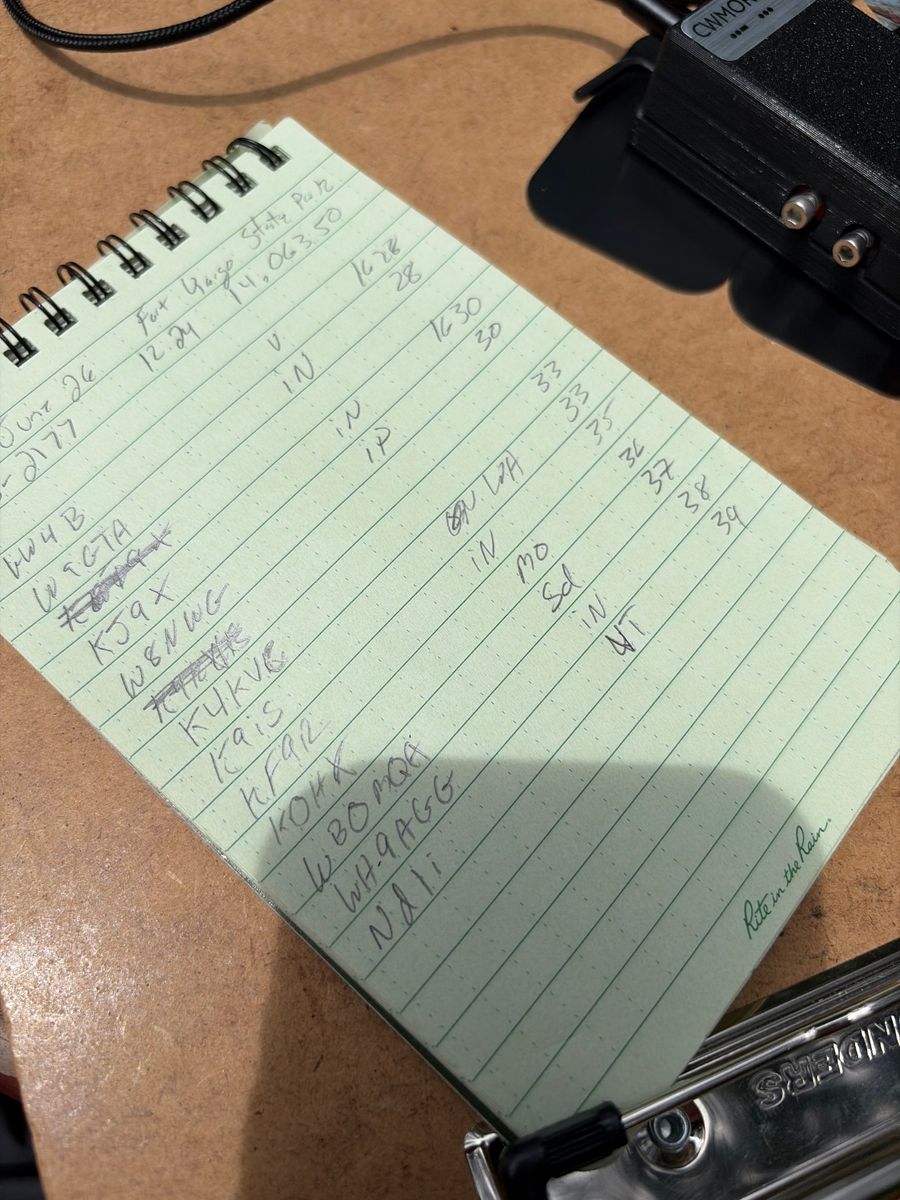
This is really nice park. A few dollar entry fee (I think it was $10) but the park is fairly large featuring a camp ground, boat ramps, and multiple places to setup and operate.
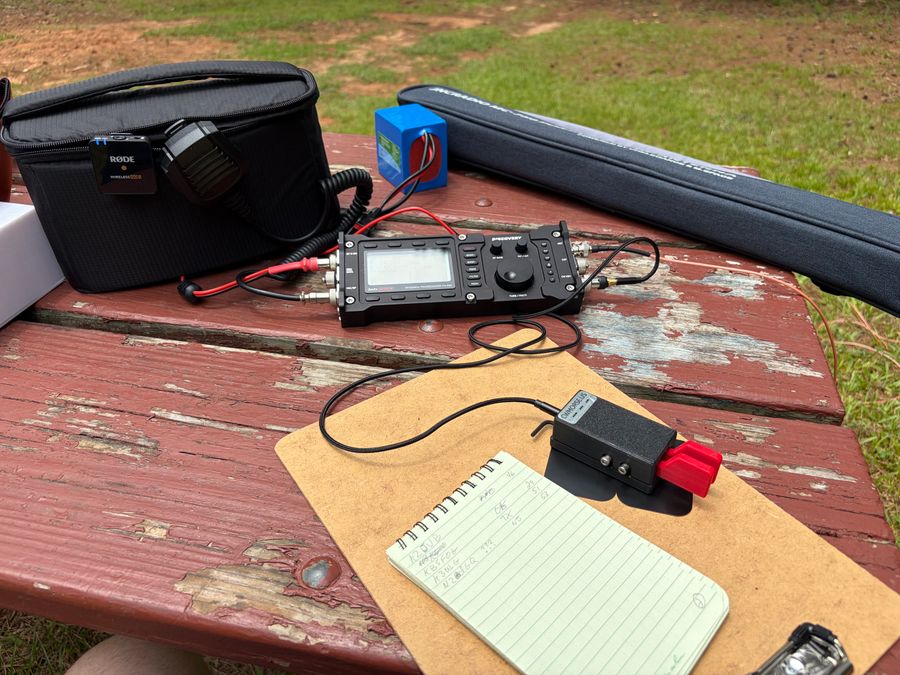
I found an area near one of the large picnic shelters with some smaller tables. Not wanting to intrude, I used the smaller tables even though they were out in the sun.
Truthfully, for being in GA, the weather wasn’t all that bad. Sure it was humid, but I didn’t feel like it was unbearable most of the trip.
Antenna
I decided to start my activation with my MC-750 1/4 wave vertical. As per usual, I started on 20 meters.
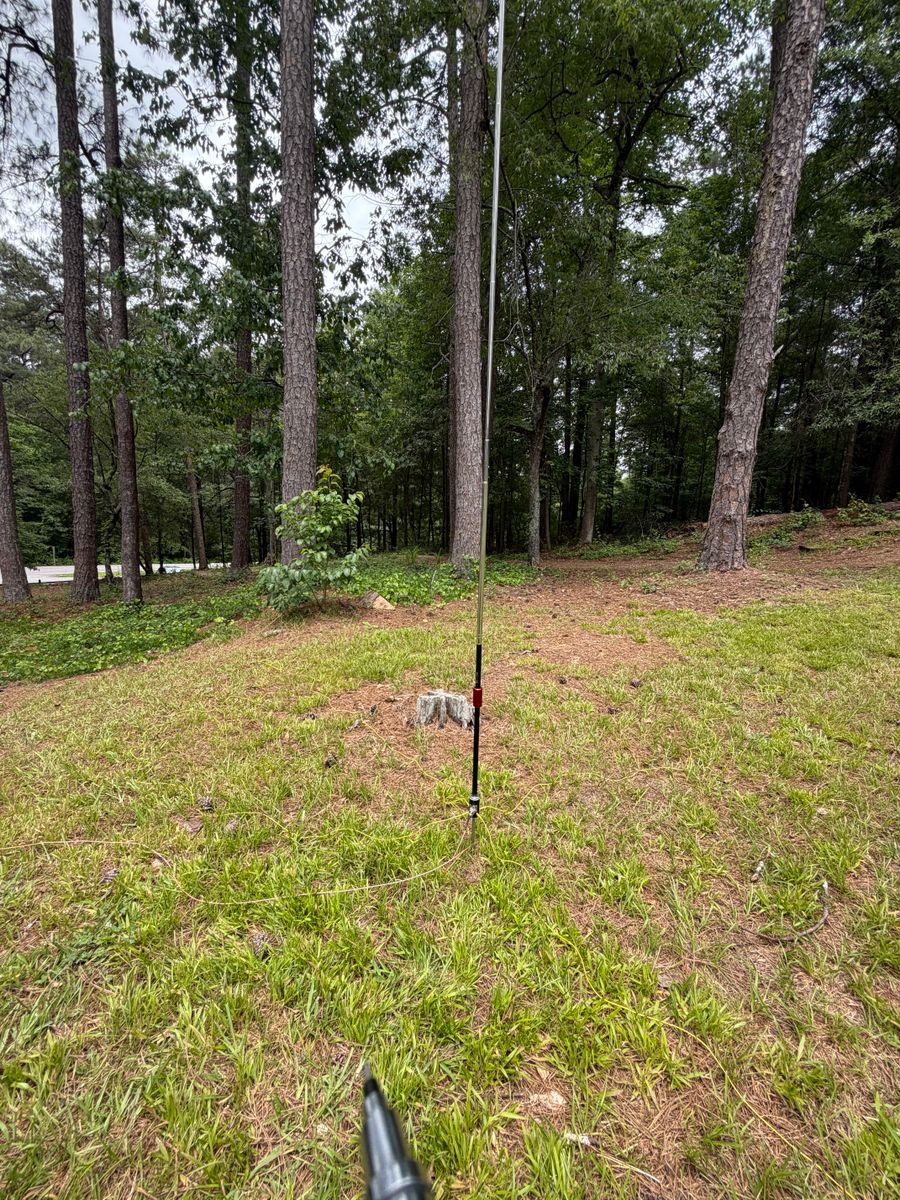
Setting up was relatively quick. The MC-705 has been my work horse recently. I haven’t published much here but have done some activations and I almost always go with the MC-750.
I think the major reason is I’m worried about onlookers or park staff getting annoyed at throw lines and stuff in trees or my large DX Commander mast.
I made several contacts on 20 Meters and got my activation in. On this trip I had a bit of time on my hands. This being a weekday though, I found the bands a bit quiet, but as expected.
A bit later on I decided I really wanted to try out my new ZM-2 antenna match. I’d been wanting to pack something I could jump on a few different bands on easiliy. If you’ve read anything else here lately, you know I’m also looking to lighten my pack quite a bit.
The MC-750 is a good antenna, but it’s a bit much to travel with for me. I’ve considered a few other alternatives and I’m playing around with a few ideas now days.
Truthfully, I haven’t done much more than play in my driveway.
I decided to give my new POTA 20 mast a quick go at an activation. I knew this would give me some time to play with the ZM-2 match since I never finished tuning my EFHW and wanted to give 40 a try.
Truthfully, this was a terrible performer. I had only a longer section of coax, it wasn’t an ideal deployment, and really the tuner being at the radio added up a bunch of losses I’m sure.
But the tuner handled it and I did make one contact. I failed to take a screenshot of the RBN spots, but just as well, it was fairly embarrassing.
40 Meters
So I set the POTA 20 mast up. This was stupid simple to do. I printed one of these 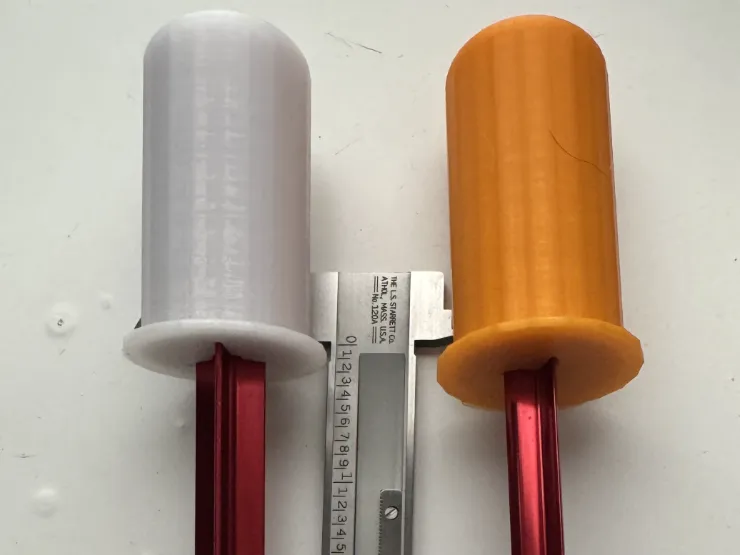 before leaving home. Here is the makerworld page for the 3d printed spike adapter.
This went in super easy and held the mast up well, even with some tension on the antenna itself.
The EFHW, for it’s part was configured in a sloper configuration down toward my operating table.
On 40 Meters, I managed that single contact with a decent signal report, although GA to North Carolina is nothing to be excited about on 40 meters.
After quite a few minutes of calling CQ on 40, and not seeing a lot of the RBN map, I switched back to 20 and ran a few more stations.
Data Analysis
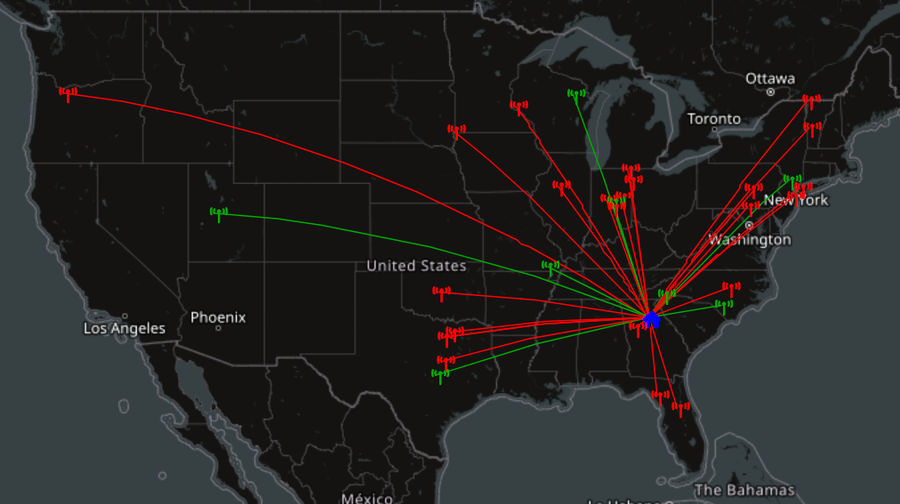
I decided to try to do a bit of data analysis on the RBN spots. If you’re unfamiliar with the Reverse Beacon Network, it’s quite a handy tool.
It works like a beacon but in reverse. You send out a test or CQ. There are skimmers all over the world. If they pickup and decode your CQ, they report back your signal and that they heard you. The RBN puts this on a map on their website automatically.
This is great for seeing where your signal is reaching too but it has another benefit.
The RBN allows you to download archive data from their capture in the form of text. Years ago I would’ve written a script to analyse the data, but with Ai, it was fairly easy.
Long and short of my analysis between the MC-750 and the EFHW on 20 meters.
- Spots per hour increased
- No discernable difference in distance
- Slight degradation in SNR
However, there is a caveat to this. I really didn’t give the EFHW as much time calling CQ as I did the MC-750 and while the EFHW is properly tuned for 20 (only 40 has an issue currently), it was not deployed it’s best.
Looking forward to trying this experiment again.
Another tool in the tool bag
I really like the idea of carrying a small tuner for those just in case moments. But, my plan ultimately failed. It did fail safe, I still made contacts on my backup antenna.
What I failed at was, I thought I had a EFRW with me. I did not. So pulling the tuner out and setting it up, then digging for an antenna that wasn’t in my bag, was the failure. My ultimate goal is to have a few different wire antennas I can deploy in multiple situations. Also, this is designed to give me some extra bands without compromise (40/80 Meters) when space allows.
The ZM-2 is a nice little tuner for this job. It’s gonna stay in my bag, with it’s random wire, once I actually locate it!
Comments